
Piston
brake pad
September 30, 2025Bushing
September 30, 2025The piston is a vital component of an internal combustion engine, located inside the cylinder and working in conjunction with the cylinder wall, piston rings, connecting rod, and other components. Its primary function is to withstand the high-temperature, high-pressure gases generated by the combustion of the fuel-air mixture in the combustion chamber and transmit this pressure to the crankshaft through the connecting rod, thereby achieving energy conversion and power output.
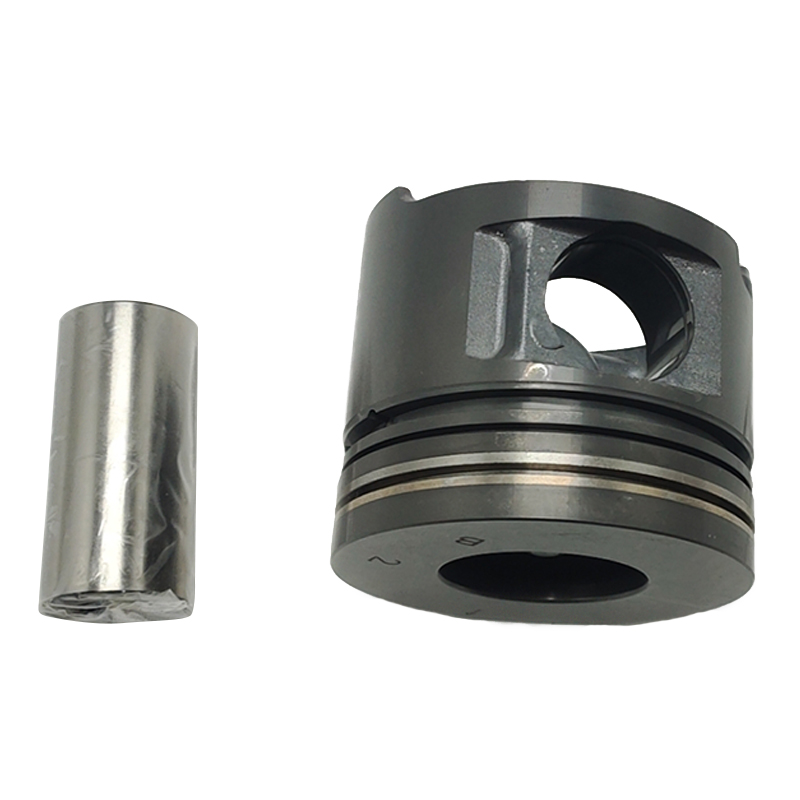
Gas Pressure: Directly absorbs the impact of combustion and transmits it to the connecting rod and crankshaft.
Compresses the Mixture: During the compression stroke, the piston moves upward, compressing the air or mixture in the cylinder to high pressure and temperature, preparing for combustion.
Sealing: Works with the piston rings to prevent gas leakage and oil from entering the combustion chamber.
Heat Conductor: Transfers some of the heat generated by combustion to the cylinder walls and dissipates it through the cooling system.
Power Conversion: Converts the thermal energy released by combustion into mechanical energy, driving the engine.